
Pep Talks: Real Conversations for Real Growth
Real talk for every woman who is rising, leading, or figuring out who she is becoming — at any age, in any season of life.
Use the search to filter pep talks by content, words, or whatever you’re looking for!

One Year of the GRL Initiative: Turning Frustration Into Forward Motion
One year ago, the GRL Initiative began with frustration and a decision to act. This reflective anniversary post explores lessons learned about leadership, allyship, burnout, and building something meaningful—one imperfect step at a time.
Why Two Opposite Feelings Can Be True at the Same Time (Especially During the Holidays)
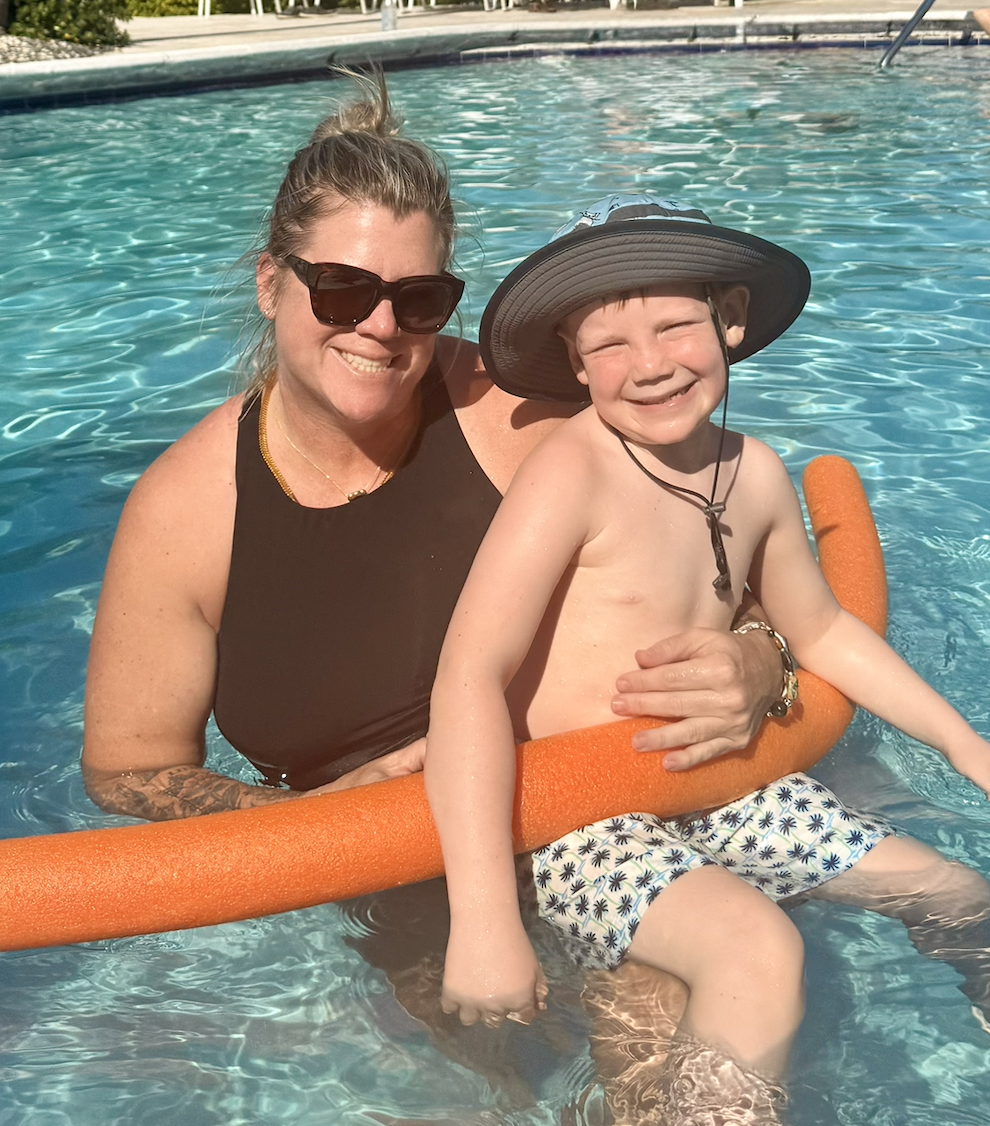
Recently, I was on vacation with my parents and my family of four—full of gratitude, present in the magic, and completely exhausted from doing the planning, driving, and mental juggling. Both things were true at the same time. This GRL pep talk is a reminder that joy and exhaustion don’t cancel each other out—they coexist, and that’s human.

Supporting a Kid (or adult!) With ADHD During the Holidays (Without Accidentally Making It Harder)
The holidays can be magical—and totally overstimulating for kids with ADHD. This parent-friendly guide breaks down common traps (like Advent calendars and constant transitions), plus practical strategies for parties, travel, and downtime. Bonus: an ADHD-friendly gift guide that supports regulation, movement, and real-life executive functioning—without turning your living room into chaos.

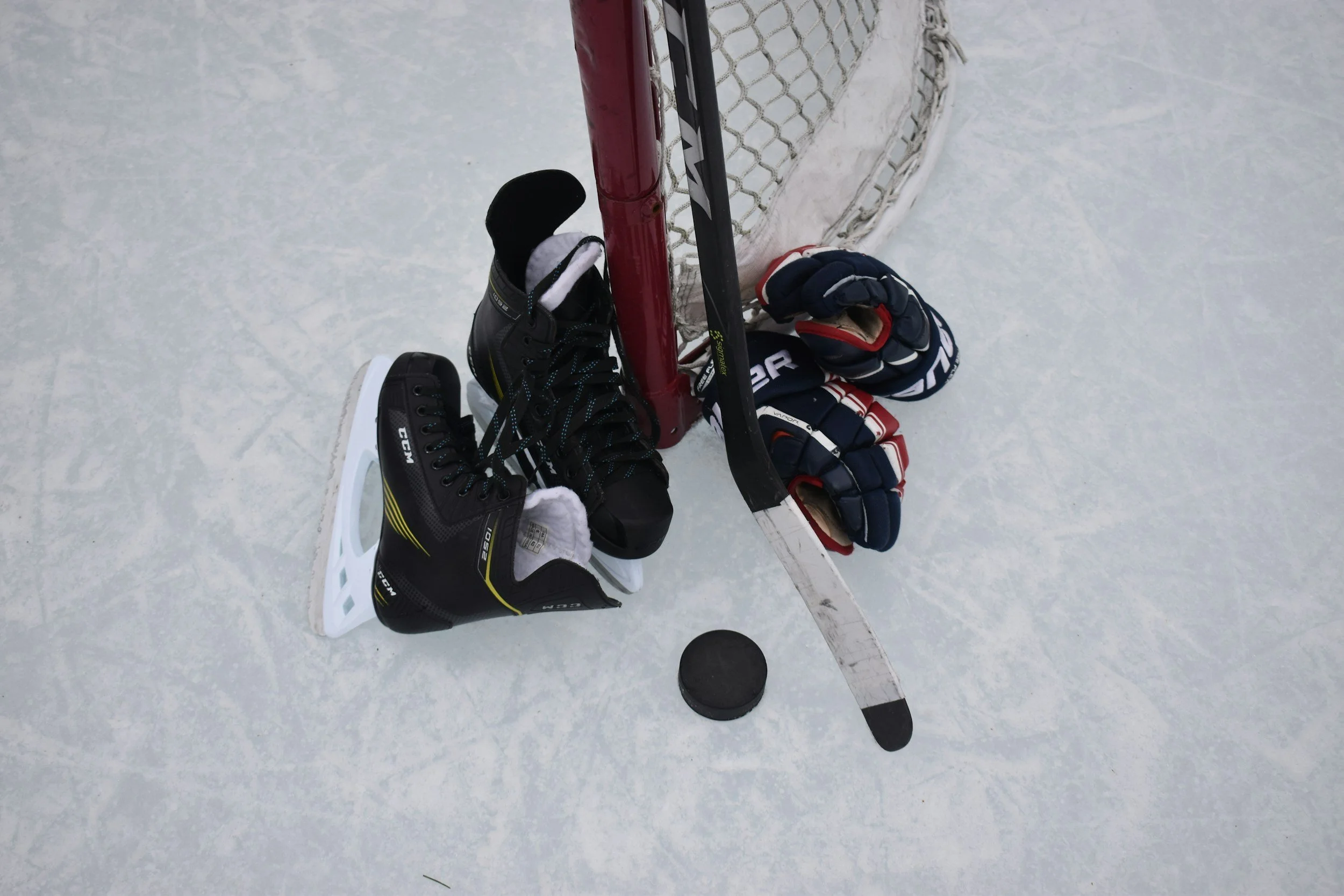
When Girls Hockey Numbers Are Low, It’s Not a “Commitment Problem” It’s an Access Problem
Girls hockey participation numbers are declining, but the issue isn’t motivation — it’s economics and access. From equipment costs to travel demands, many girls are priced out before they ever step on the ice. This post explores what the data is really telling us — and what needs to change.
Is the Pink Tax Real? What Girls Learn About Worth Before They’re 18
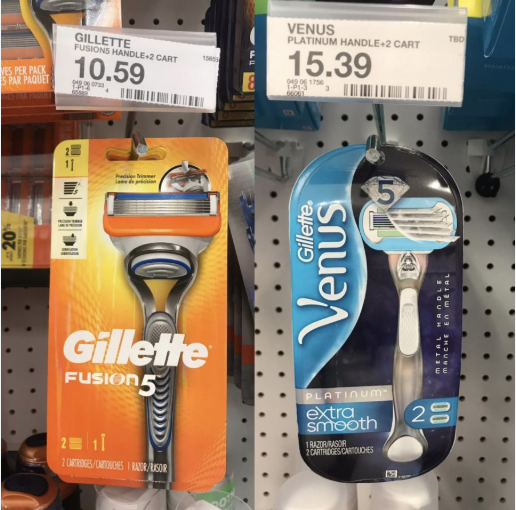
The pink tax is real — and it teaches girls early lessons about worth, fairness, and belonging. Here’s how it shows up in sports, school, and leadership.
What Athletic Administrators at the National Athletic Directors Conference Said About Belonging
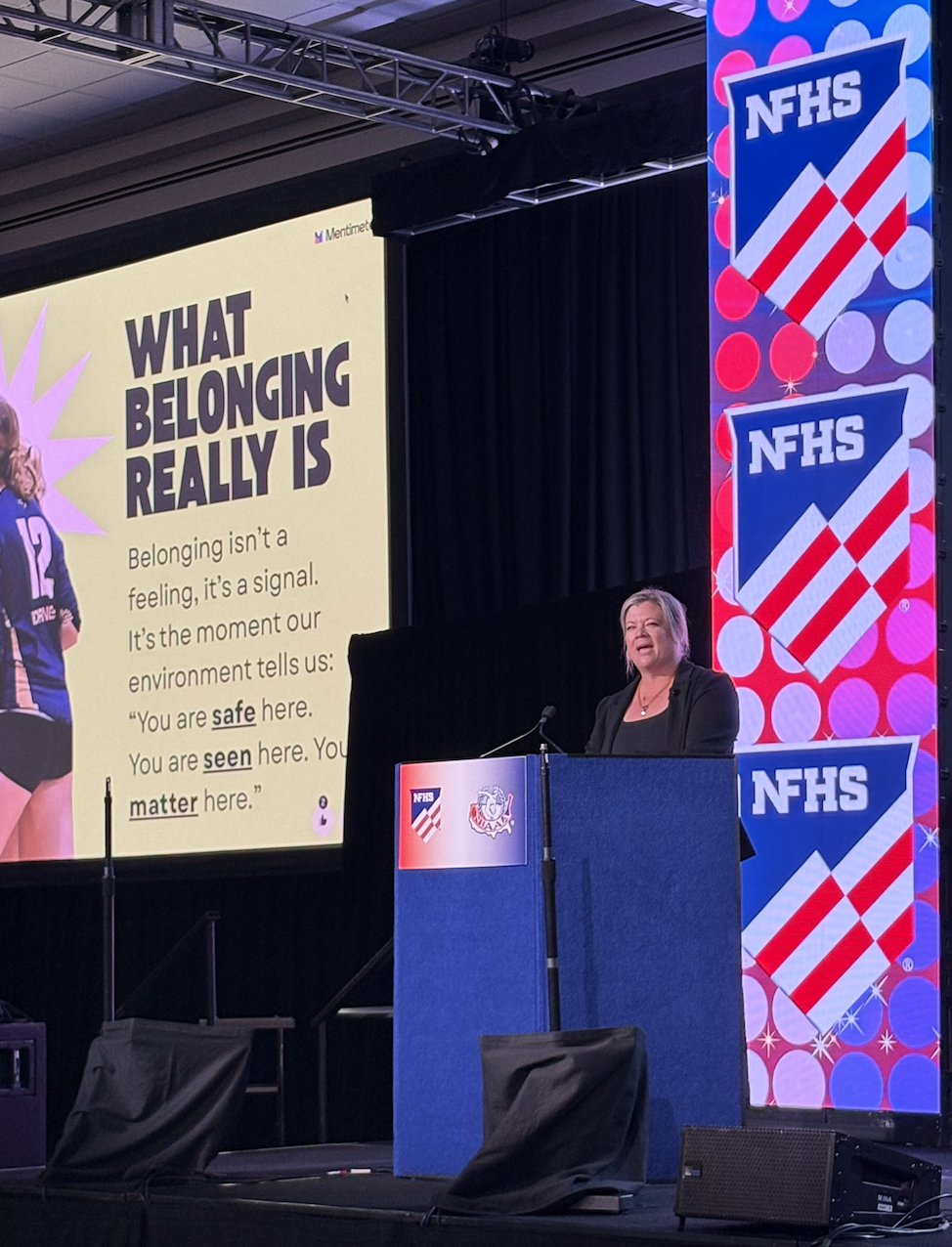
What happens when athletic administrators are asked about belonging, burnout, and safety instead of strategy? Insights from the National Athletic Directors Conference reveal what leaders are really carrying.

Two Pairs of Underwear and Other Things Moms Pretend Aren’t Happening
Every mom has a kid wearing something wild under the perfect outfit. Mine? Two pairs of underwear. This is the messy, funny, unseen side of motherhood we need to talk about more — from hidden struggles to the pressure to look like we have it together.
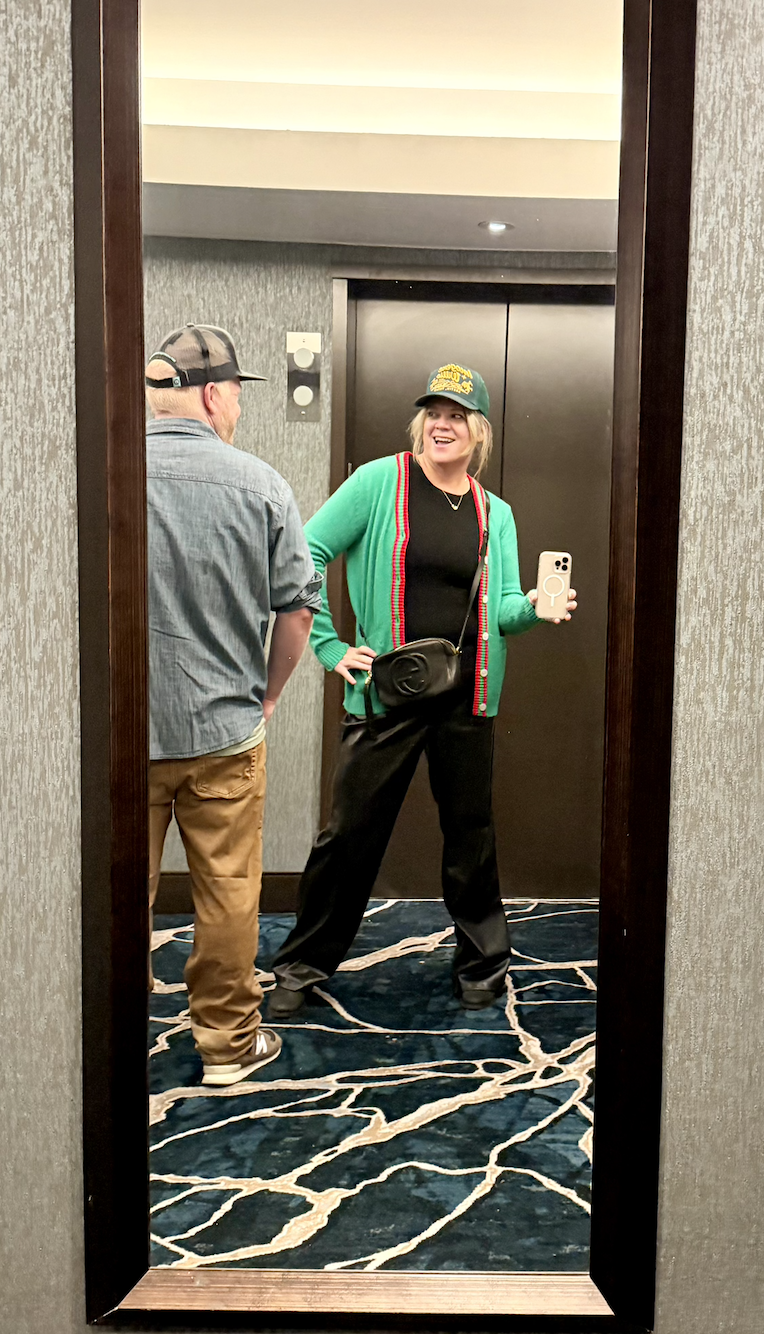
HOW TO KEEP YOUR SH*T TOGETHER AS A WORKING MOM DURING THE HOLIDAYS
December isn’t a break for working moms—it’s a logistical marathon built on emotional labor, travel schedules, school events, and making holiday magic. Here’s your permission to slow down, recalibrate, and keep your sh*t together in the most honest way possible.

The Most Wonderful… Overwhelming… Magical… Exhausting Time of Year
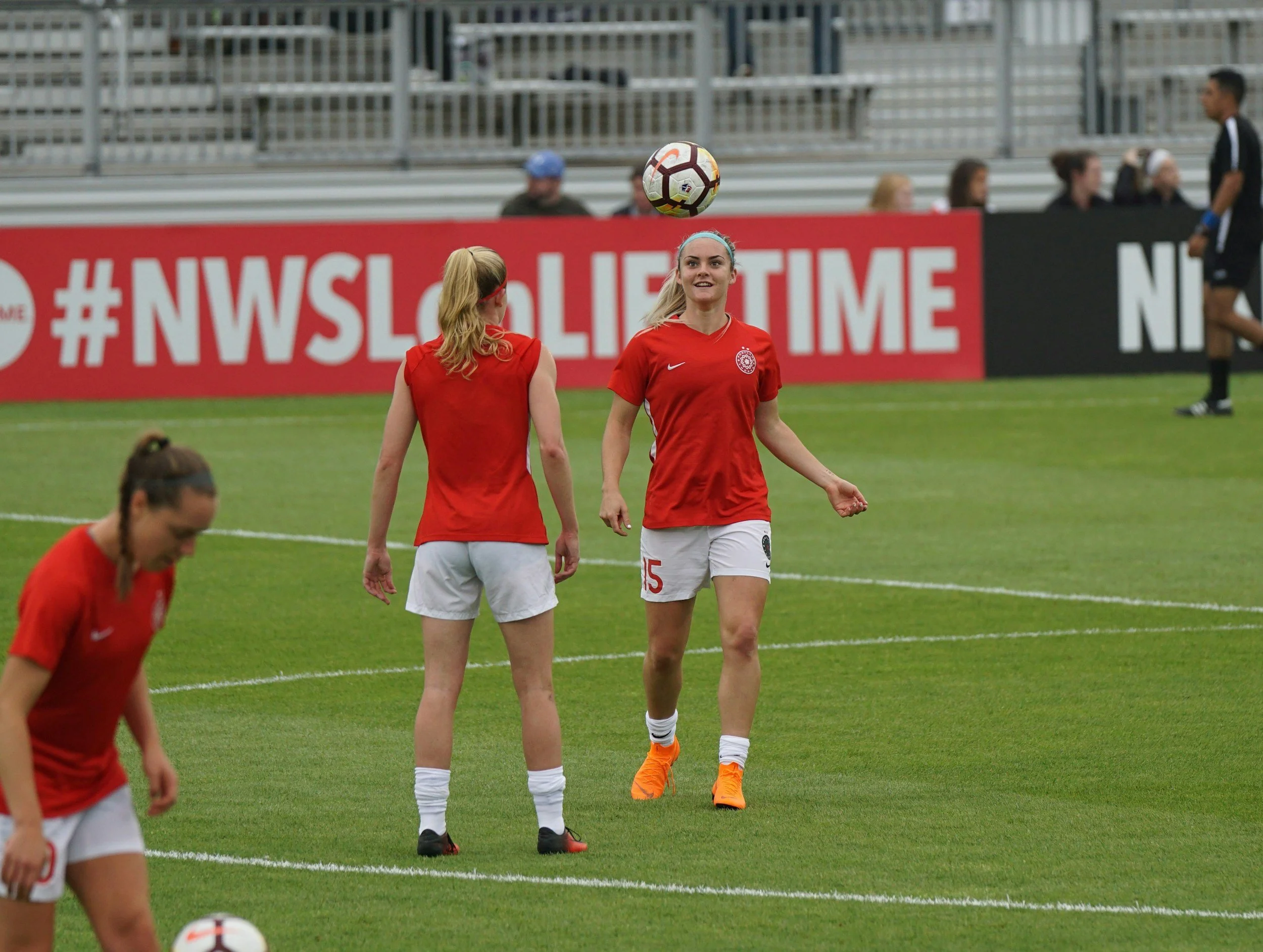
When College Athletics Ends: The Quiet Identity Shift No One Really Prepares You For
When college athletics ends, the loss isn’t just the game — it’s the structure, identity, and belonging that once held everything together. This reflection explores what really happens after sport, why the transition feels so destabilizing, and how former athletes can begin rebuilding connection and meaning in their next chapter.
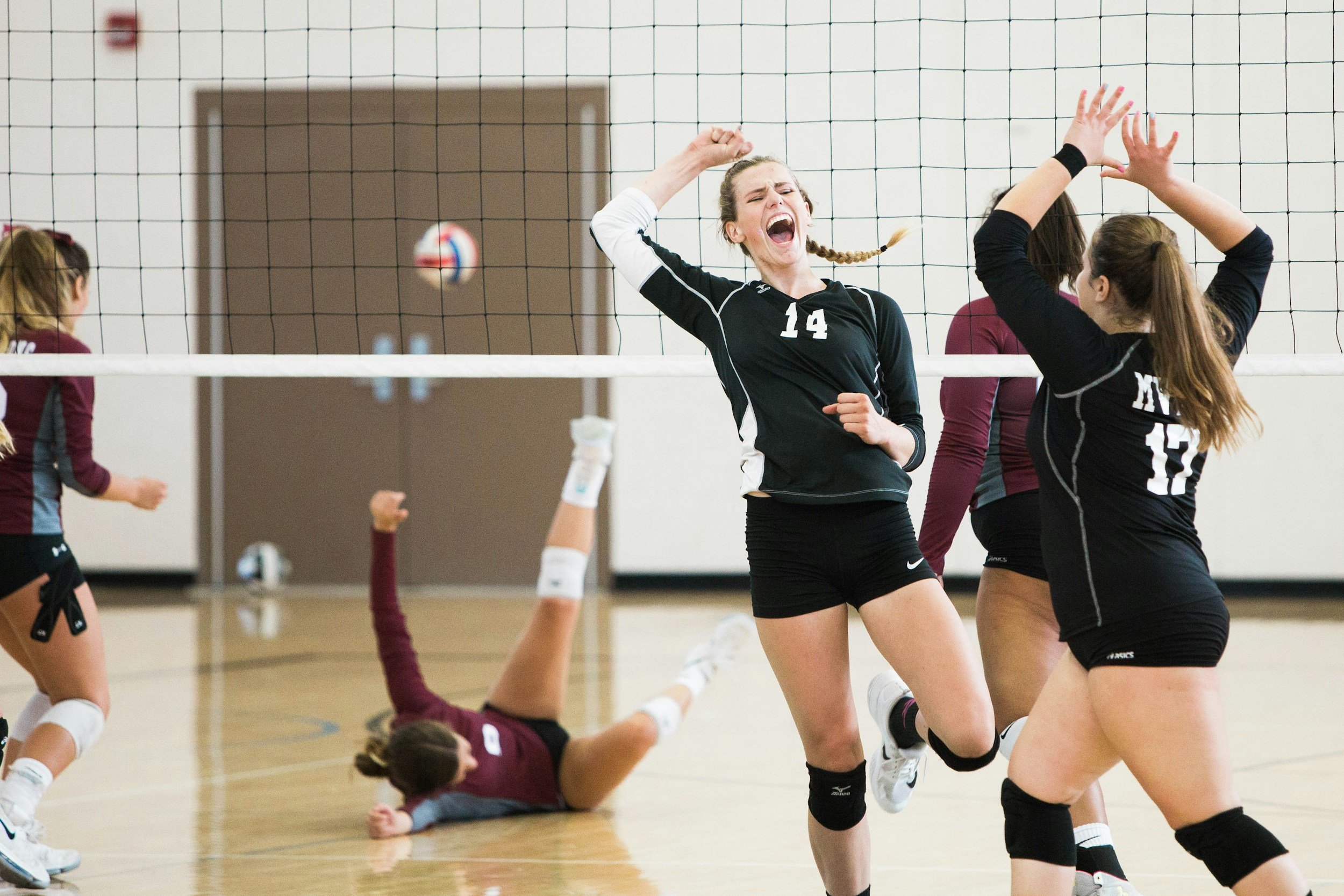
Sports Suggestions & Recommendations for Girls (By Age & Personality)
A practical, confidence-centered guide to sports suggestions and recommendations for girls—based on personality, age, and belonging, not pressure.

When Rest Looks Nothing Like Rest: A Working Mom’s Reflection on Overwhelm, Purpose, and the Truth About “Doing It All”

How Couples Actually Build Connection
Five years after living through the pandemic together, many couples are realizing that connection hasn’t gotten easier—life has only gotten louder. In this reflective, honest look at partnership, I explore what it actually takes to stay connected when you’re tired, stretched thin, and operating at different speeds. From tiny daily rituals to shared moments, nervous-system-friendly activities, and naming what we miss, this is the real roadmap to choosing each other—long after survival mode ends.
The Ultimate Eco-Conscious & Outdoorsy Gift Guide (From Someone Who Just Cleaned Out Her Closet)
Cleaning out my closet reminded me how much we’re surrounded by excess—and how many gifts end up forgotten instead of loved. As someone who prefers adventure over clutter, I created this intentional gift guide for outdoorsy and eco-conscious people. From experience-based ideas to local gems, campfire kits, pet-friendly gear, and “pay it forward” giving, here’s how to choose gifts that truly see the person you love.
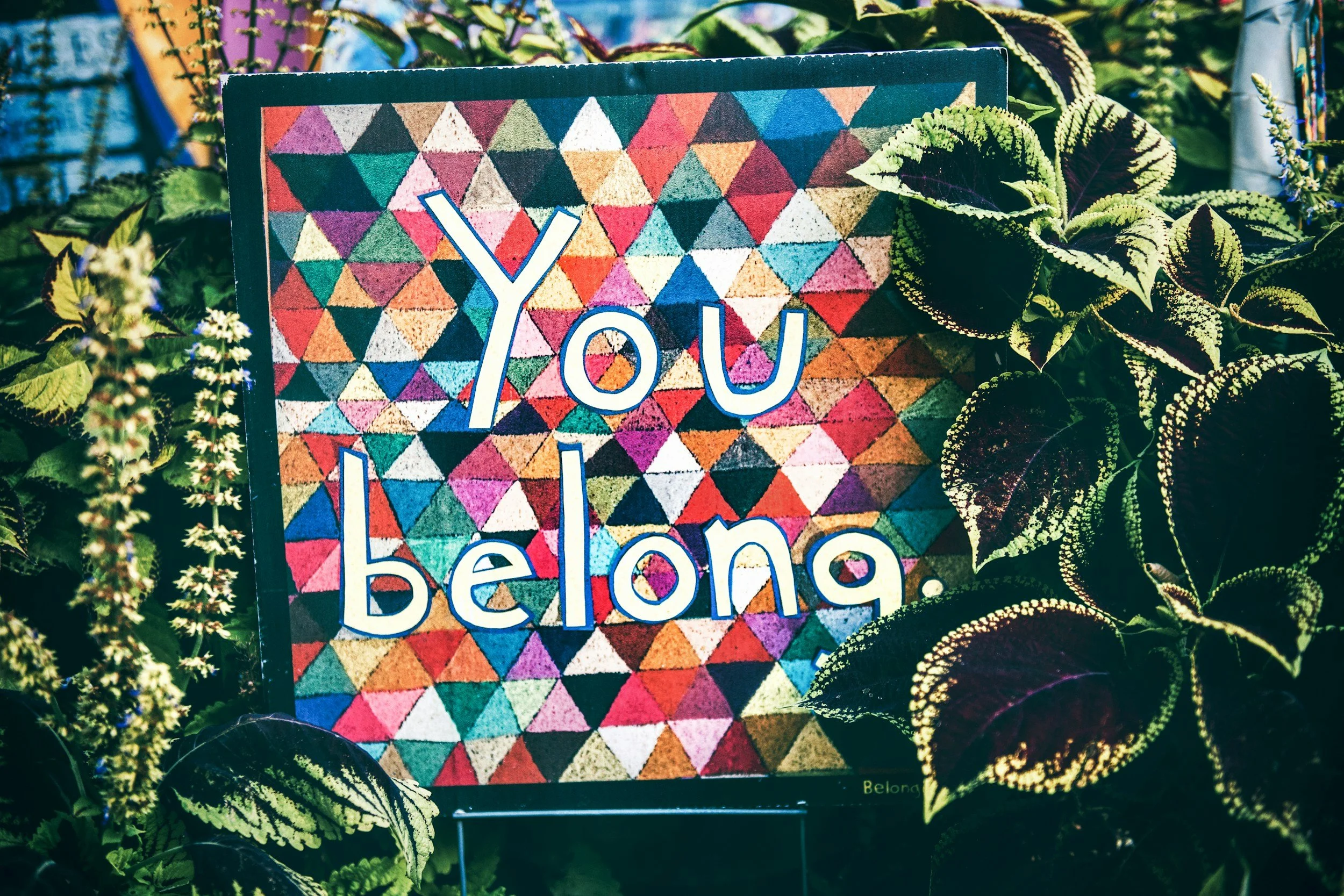
FINDING BELONGING WHEN YOU’RE THE MINORITY
Belonging becomes more complex when you’re the minority in the room. This article explores why fitting in feels exhausting, why belonging shifts with identity, and how adults—especially women in leadership—can create spaces where they can breathe, show up authentically, and feel understood.
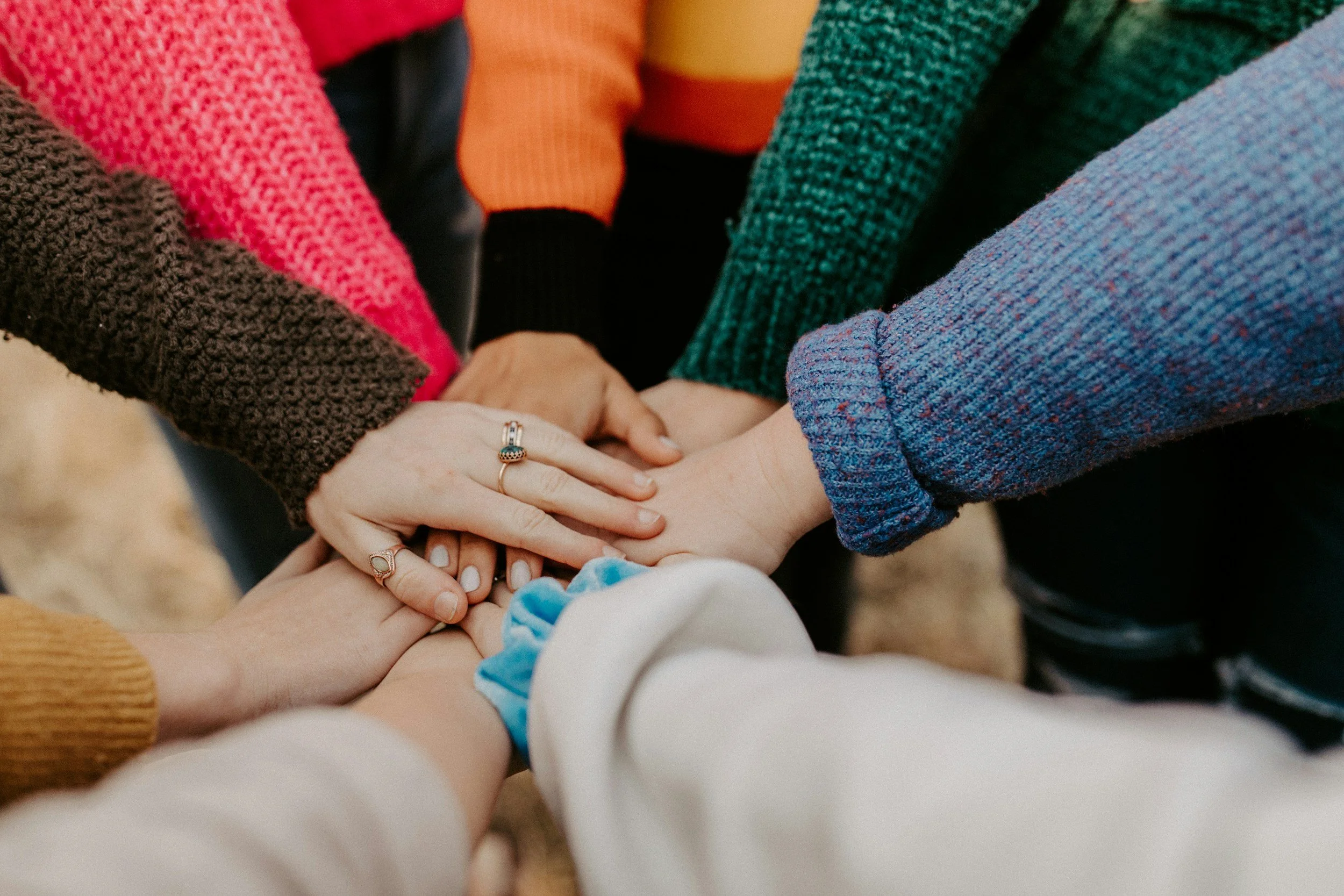
Why Belonging Matters More Than Skill in Youth Sports
Belonging—not talent—is the real engine of youth sports. Research from Project Play, the Women’s Sports Foundation, and the CDC shows that girls stay in sports when they feel connected, supported, and socially safe. Skill matters, but belonging matters more. This GRL Initiative guide explains why, and how parents and coaches can build teams where girls thrive.

What Coaches Need to Know About Playing Kids Up
Playing kids up isn’t always the advantage it appears to be. Research from Project Play, the Developmental Model of Sport Participation, and the Women’s Sports Foundation shows that social belonging, emotional readiness, and age-appropriate challenge matter more than talent alone. This guide outlines what coaches need to know before moving an athlete to an older team—and how to create an environment that protects confidence, safety, and long-term development.

Why Kids Quit Sports: The Big 7 Reasons (and How to Prevent It)
Kids don’t quit sports because they’re soft — they quit because the environment stops serving them. Research from Project Play, JAMA Pediatrics, and the Women’s Sports Foundation shows the top reasons kids, especially girls, walk away from sports: loss of belonging, stress, harsh coaching, burnout, comparison, and decreased confidence. This guide breaks down the seven biggest reasons and offers solutions to help kids stay confident, connected, and excited to play.
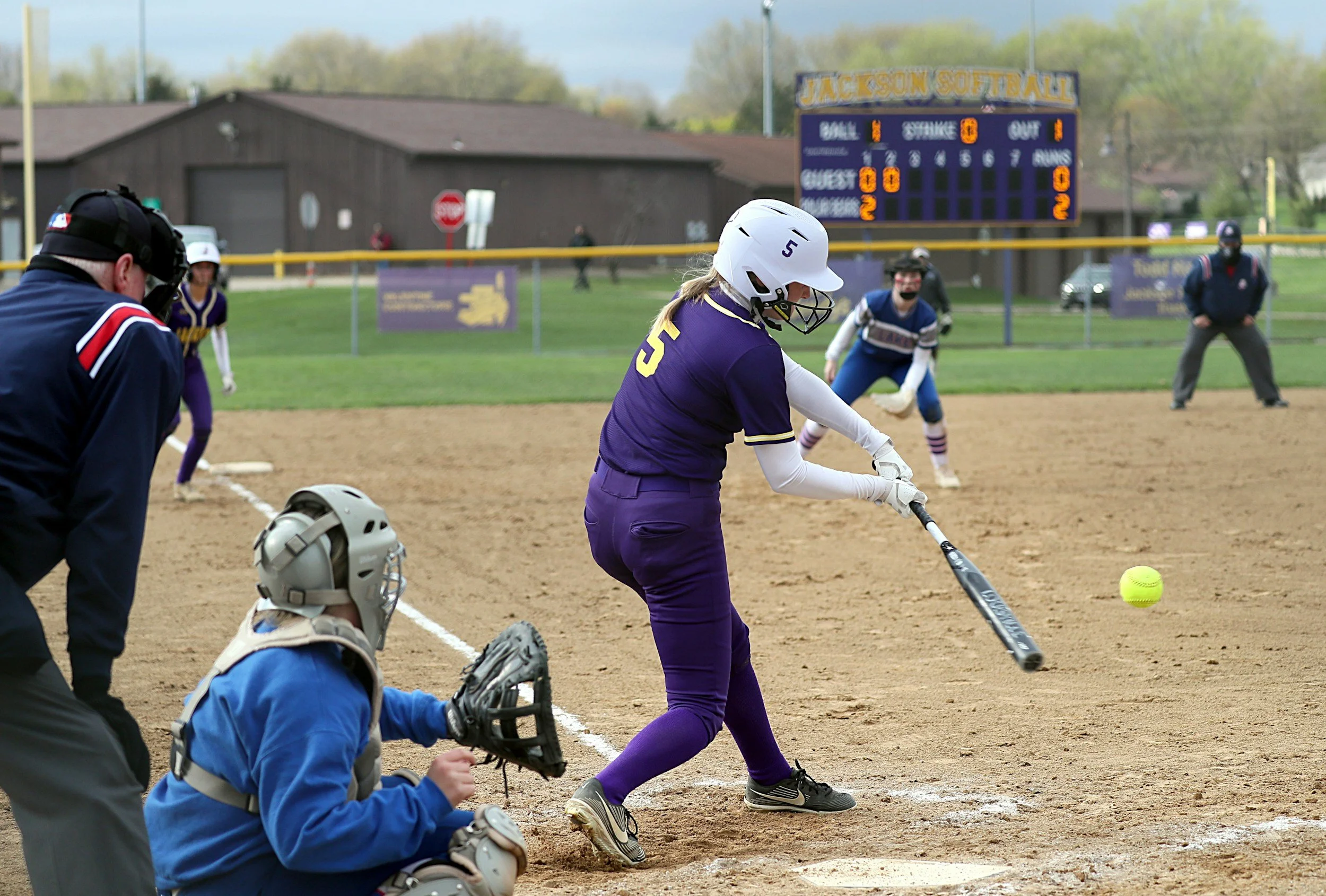
When Your Child Plays Up: How to Support Them Emotionally & Socially
If your child was moved up to an older team and is struggling with confidence, belonging, or playing time, you’re not alone. Many girls experience stress, identity shifts, and a loss of joy when playing up. This research-backed guide helps parents support their child emotionally, socially, and developmentally—while protecting long-term confidence and love for the game.