
Buzz word: Mental Health, what is it?
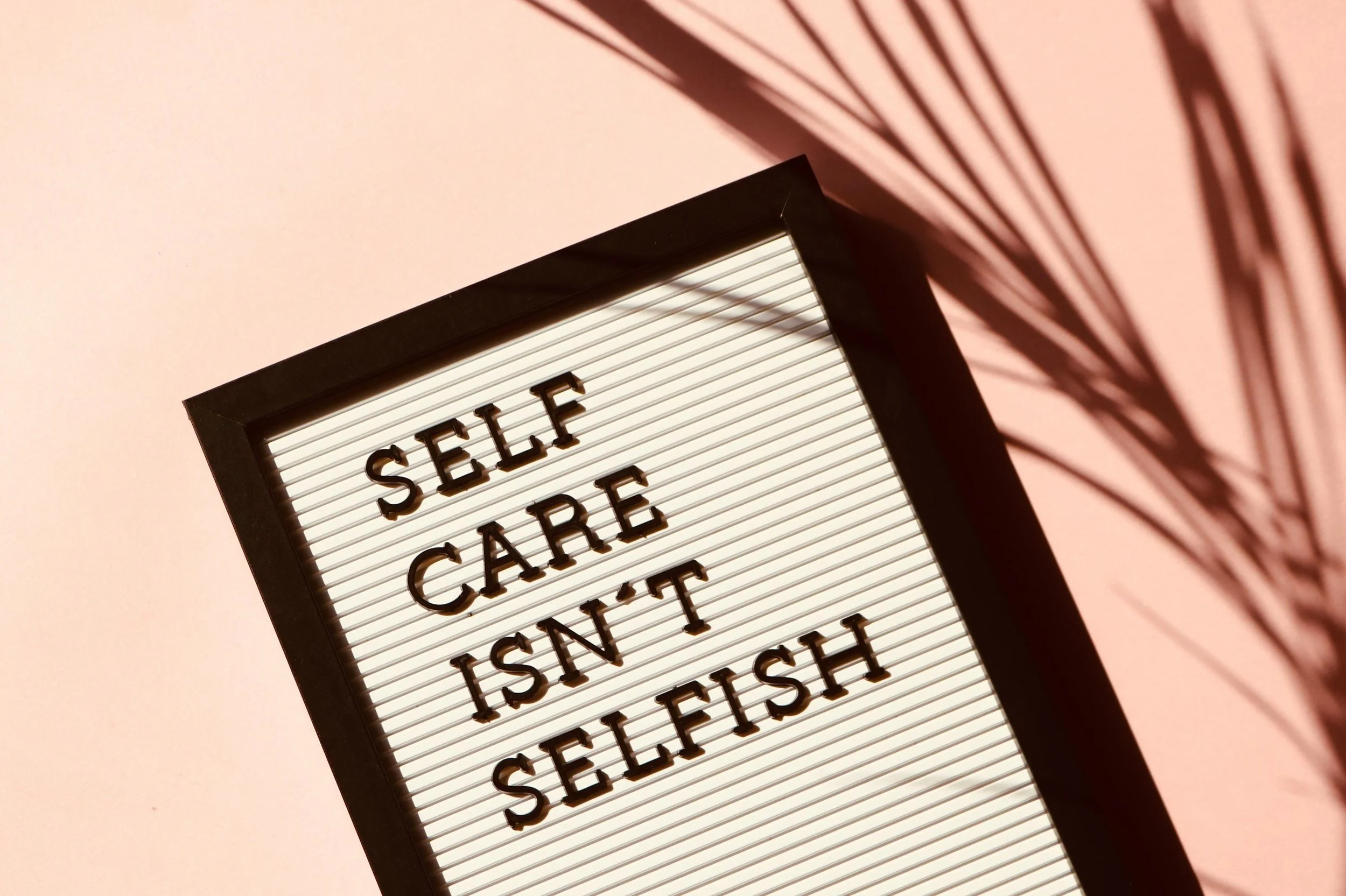
Hey, Gen Z! Let’s talk about something super important: mental health. We hear about it all the time on social media, in schools, and even in pop culture—but what does it really mean? And, most importantly, how can we take care of it?
So, What Exactly Is Mental Health?
Mental health is about how you feel, think, and handle life’s ups and downs. It’s not just about being free from mental illnesses like anxiety or depression. It’s also about having the tools and mindset to cope with stress, build healthy relationships, and feel good about yourself. Think of mental health like your emotional, psychological, and social well-being all rolled into one. It’s as important as physical health—if not more.
The thing is, mental health isn’t a constant. Some days you might feel like you’re crushing it; other days, not so much. And that’s okay. What matters is how you take care of yourself during those not-so-great days.
Why Does Mental Health Matter to Gen Z?
Let’s be real: life can feel like A LOT. Between navigating school, work, relationships, and a 24/7 stream of notifications, it’s easy to feel overwhelmed. Add in major global challenges like climate change, social justice issues, and a lingering pandemic, and it’s no wonder our generation is hyper-aware of mental health.
But here’s the good news: we’re also the most open generation when it comes to talking about it. We’ve normalized therapy, shared self-care tips on TikTok, and made it clear that asking for help is a sign of strength, not weakness.
Strategies to Take Care of Your Mental Health
Taking care of your mental health isn’t just about avoiding bad days; it’s about building habits that help you thrive. Here are some practical strategies:
1. Normalize Rest
Rest isn’t lazy; it’s necessary. Whether it’s a quick nap, a screen break, or a day off, make rest part of your routine. You don’t have to earn rest—you deserve it simply because you’re human.
2. Set Boundaries
Boundaries protect your energy. Maybe it’s saying “no” to plans when you’re drained or logging off social media when it’s too much. Boundaries aren’t about shutting people out; they’re about taking care of yourself first.
3. Practice Gratitude
Yeah, it sounds cheesy, but it works. Write down three things you’re grateful for every day. It can be as small as your morning coffee or as big as a supportive friend. Gratitude shifts your mindset from what’s wrong to what’s right.
4. Move Your Body
Exercise isn’t just for getting fit; it’s for feeling good. Whether it’s dancing in your room, walking your dog, or hitting the gym, moving your body releases endorphins that boost your mood.
5. Find Your People
We’re not meant to go through life alone. Surround yourself with people who lift you up. Whether it’s friends, family, or an online community, connection is a huge part of mental health.
6. Talk to Someone
Sometimes, you need more than a journaling session or a walk. And that’s okay. Whether it’s a trusted friend, a school counselor, or a therapist, reaching out can make all the difference.
7. Limit Comparison
Social media is a highlight reel, not real life. If scrolling makes you feel less than, it’s time to unfollow accounts that don’t serve you and focus on your own journey.
8. Create a Self-Care Toolbox
Think of this as your go-to list of things that help you feel better. It could be your favorite playlist, a cozy blanket, a funny TV show, or a hobby you love. When life gets hard, pull out your toolbox and use what works.
Breaking the Stigma
Even though we’ve made huge strides in normalizing mental health conversations, there’s still work to do. If you’ve ever felt embarrassed or ashamed about struggling, know this: you’re not alone. Everyone deals with tough times. Talking about mental health doesn’t make you weak—it makes you brave.
You’ve Got This
Mental health is a journey, not a destination. There’s no magic fix, but there are steps you can take every day to feel better and build resilience. Be patient with yourself and remember: it’s okay to not be okay.
So, Gen Z, let’s keep the conversation going. Share your tips, reach out when you need help, and keep showing up for yourself and others. Together, we can create a world where mental health is prioritized and supported—because you deserve it.
